





Lucky Ones Casino Sign In: What You Do First
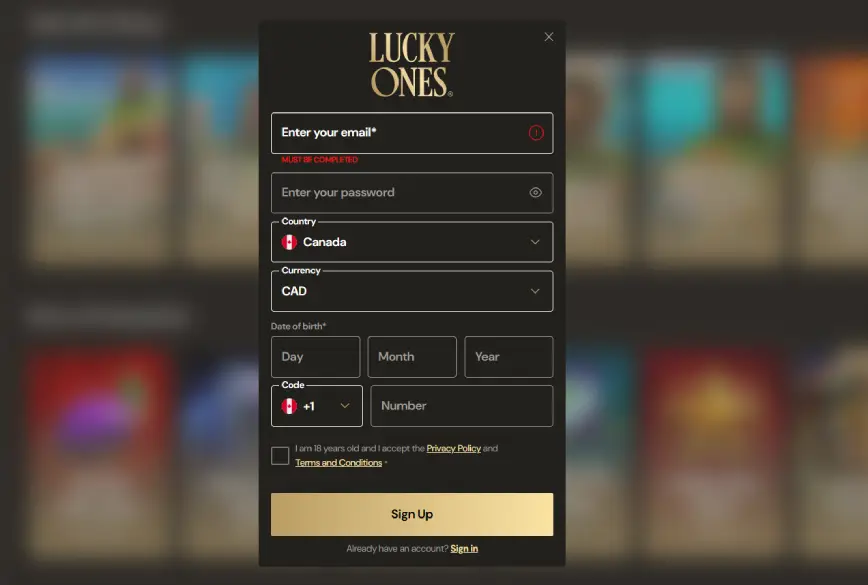
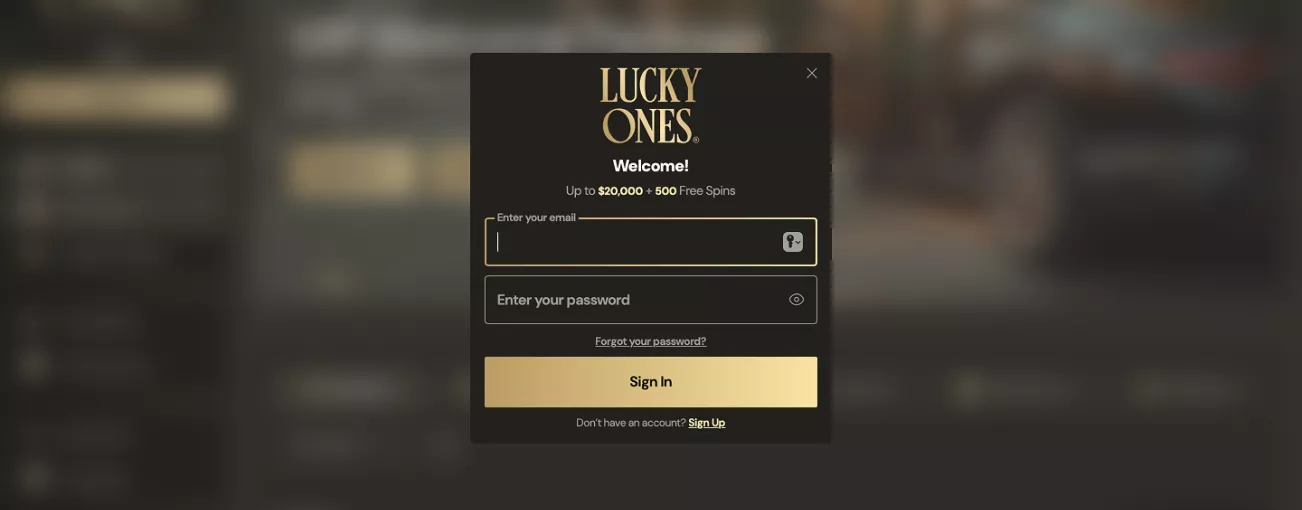
Imagine you have five minutes on a break and you just want to get into your profile and spin a few rounds. Do it in a steady order: open the platform, hit the sign-in button, enter your account identifier (often email), then your password, and confirm. Most “wrong details” errors are just rushed typing or the wrong identifier format.
If the page offers several entry methods, pick one and keep it consistent. Players often switch between email and phone formats, then lock themselves out after repeated attempts. One practical trick - copy your identifier from a saved note so you do not lose time on tiny typos.
Getting To The Sign-In Screen Without Guesswork
Picture landing on a promo screen and not seeing the account icon anywhere. Instead of hunting, look for standard cues in the header: profile icon, “Sign In,” or “Account.” If the layout feels broken, open a new tab and try again in the same browser, because a half-loaded page can hide the form.
Using “Remember Me” Without Leaving A Session Behind
Suppose you log in from a shared laptop after a party. “Remember me” is only for personal devices with a lock screen. If you need speed, use a password manager for accurate fills, then log out when you are done so the next person does not inherit your session.
Create A Clean Account Setup Before You Sign In
Imagine you finally win and want a cashout, but the system asks to confirm your phone and you realize the number is old. That frustration is avoidable. While you are already signed in, check your profile basics - contact details, name formatting, and any security settings - so later verification feels routine.
In 2026, account access is as much about hygiene as it is about passwords. Clear data reduces false flags, especially when you switch devices, change banks, or travel between networks.
Email And Phone Checks That Prevent Lockouts
Picture losing access to a number you used years ago. Keep at least one recovery channel verified and active, and update it on a normal day, not right after failed attempts. Quick, calm updates usually go through smoother than last-minute changes during a cashout.
Password Habits That Actually Stick
Suppose you “almost remember” your password and try three variations. Stop early and reset. A better long-term approach is a passphrase (several random words) stored in a manager, plus a unique pattern you do not reuse across apps.
Two-Step Verification And Device Trust
Imagine signing in on a new phone and seeing a second-step prompt. It can feel annoying, but it blocks most takeovers. If a second factor is available, enable it and store backup codes offline. Treat “trusted device” as temporary - remove old devices you no longer use.

Playing From Australia: Availability, Rules, And Age Checks
Imagine everything loads on home Wi-Fi, but the same screen behaves differently on mobile data. Availability can vary by network settings, device permissions, or location signals. The practical move is simple: keep your device time and location settings consistent, avoid constant VPN switching, and follow the platform terms.
Only play if you are of legal age where you live, and take verification prompts seriously. If something looks suspicious, pause and ask support instead of trying random workarounds that can create more checks.
Lucky Ones Casino Sign In Australia: Common Access Questions
Suppose the form accepts your details, but a code never arrives. Check spam folders, confirm your inbox has space, and make sure your phone can receive messages from unknown senders. Many players fix it by changing one variable at a time - connection, browser, or device - and retrying once.
Why Identity Checks Appear After Payments
Picture a brand-new account that deposits and immediately requests a withdrawal. That pattern often triggers a quick ownership check to prevent fraud. The smooth path is to submit clear documents once, keep your profile details consistent, and avoid editing sensitive fields right before or right after a transaction.
Fix Sign-In Problems With A Calm Checklist
Imagine it is the weekend and you get “incorrect password” right when you want to play. Start with the boring stuff: caps lock, keyboard language, and hidden spaces from autofill. Try one slow manual entry, then switch to a reset flow instead of guessing ten times and triggering a security cooldown.
If the screen keeps looping, treat it as a browser or network issue. Players often solve it by changing one thing at a time: new tab, private window, another browser, or another connection.
Resetting A Forgotten Password Without Stress
Suppose you still have access to your email. Request the reset, open the message, create a fresh passphrase, and then sign out on other devices so older sessions cannot linger. If the reset message does not show up, search your inbox for recent platform emails and check spam filters before trying again.
When You Lost Email Or Phone Access
Imagine you changed numbers or your old inbox is gone. Gather what support typically needs: your account identifier, rough last activity, and any non-sensitive ownership details they request. Keep your message short and factual, because clear timelines beat long stories when agents triage tickets.
Browser, Cache, And Network Pitfalls
Picture the page loading but buttons doing nothing. Clear cache, allow essential cookies, and disable extensions for the session. On mobile, finish the flow without switching apps, because background limits can break the process. If you use a VPN, turn it off while accessing your account to avoid sudden location jumps.
Deposits, Cashouts, And Account Checks
Imagine you can enter your account but the deposit fails, so you assume the platform is down. Often it is a mismatch: bank blocks gaming payments, currency conflicts, or the payment profile does not match your account details. Prepare your profile first, then deposit, then play - it saves repeated errors.
For withdrawals, consistency matters. If you deposit with one route and cash out to another, expect extra questions. It is basic anti-fraud hygiene, not a personal judgment.
Payment Methods And What To Prepare
Suppose you see several options and want the least hassle. Choose a method you can prove you own, that matches your name, and that can receive refunds. Before confirming, double-check your profile name formatting and currency settings, and keep screenshots of transaction confirmations for your own records.
Type of Method | Best For | Typical Handling | What To Double-Check |
|---|---|---|---|
Debit/Credit Card | Quick top-ups | Varies by bank | Name match, bank approval, refund rules |
Bank Transfer | Larger amounts | Can take longer | Correct reference, sender name, fees |
E-wallet | Fast deposits | Often quick | Wallet verification, currency settings |
Prepaid Voucher | Spend control | Usually immediate | Code entry, regional availability |
Digital Assets | Flexible transfers | Depends on network | Address, network choice, confirmations |
Cashout Requests: Keep Details Consistent
Imagine you request a withdrawal and then notice your address is spelled differently from your bank profile. Fix mismatches first. Keep the same name style, country, and payment route when possible, and avoid last-minute profile edits right after you submit a request.
Mobile Access In 2026: Keep Sessions Stable
Imagine you bounce between banking apps and games, then return and your session is gone. Phones with battery savers often suspend tabs. Treat mobile access as a focused task: sign in, do what you came for, then sign out if the device is shared.
For smoother re-entry, keep your browser updated and use biometric unlock to protect your password manager. The goal is speed with safety, not a permanent open session.
Browser Versus Home-Screen Shortcut
Suppose you want an icon that feels like an app. A home-screen shortcut is convenient, but it still relies on browser settings, so do not auto-clear cookies if you want stable sessions. If something breaks, switch to a normal browser tab for troubleshooting, because it is easier to isolate cache and extensions.
Shared Devices, Autofill, And Biometrics
Picture two people sharing one tablet. Turn off browser password saving for account fields, avoid “remember me,” and sign out after each session. Biometrics help only if the device is locked and personal - use them to open your password manager, not to skip strong credentials.
Support, Limits, And Safer Play Tools
Imagine you feel yourself chasing losses or staying online longer than planned. Use the built-in controls early: deposit limits, session reminders, cooling-off periods, or self-exclusion. These tools are for normal players who want boundaries before emotions take over.
Support is also your best friend when access problems hit. A good support ticket is not a confession - it is a clear description of what failed and what you tried.
Getting Help Without Sharing Sensitive Data
Suppose chat asks for details and you hesitate. Share only what is needed: your identifier, device type, and the exact error text. Never share full card numbers or passwords. To speed resolution, add the time it happened and the steps you already tested, like reset attempts or browser changes.
Time-Outs Versus Self-Exclusion
Imagine you just want a short break after a stressful week. A time-out blocks access for a set period and reduces impulsive play. Self-exclusion is stronger and longer, designed for moments when you know you need distance. If unsure, choose the option that removes temptation immediately, then add practical barriers like removing saved payments and disabling notifications.